
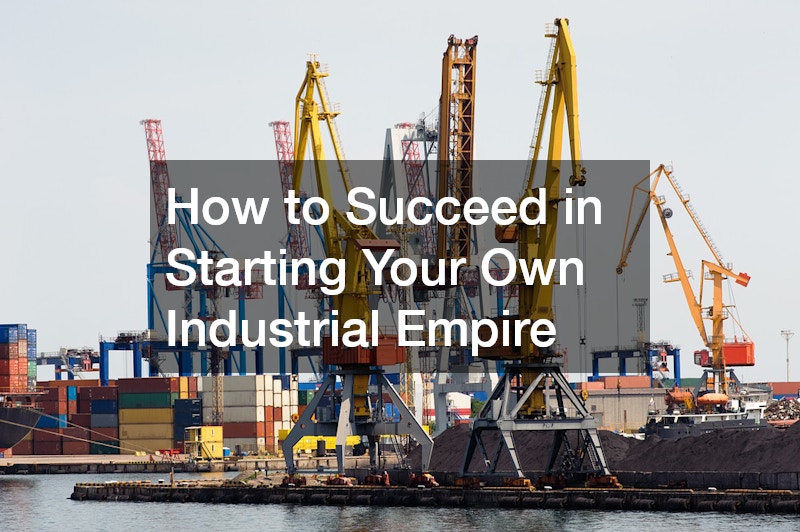
Building an industrial enterprise from the ground up represents one of the most ambitious undertakings in the world of modern entrepreneurship. Unlike digital startups or service-based ventures, industrial businesses require massive physical capital, complex supply chains, strict regulatory compliance, and a deep understanding of physical production and logistics. An industrial empire is not built overnight; it is forged through careful planning, capital efficiency, operational mastery, and relentless execution. Entrepreneurs who succeed in this domain do not merely create products—they build the underlying infrastructure, supply networks, and manufacturing power that drive global economies forward.
To transform a bold vision into an enduring industrial operation, founders must navigate a series of intricate challenges, ranging from site acquisition and equipment sourcing to workforce development and sustainable material management. Every operational decision carries significant financial weight, making strategic foresight and disciplined resource allocation vital. By mastering the core pillars of industrial development—site selection, asset management, supply chain integration, regulatory navigation, and continuous innovation—aspiring founders can lay a rock-solid foundation for a thriving business that withstands market fluctuations and scales across generations.
Strategic Planning and Site Acquisition
The journey toward an industrial footprint begins with securing the ideal physical location and acquiring the necessary assets to support heavy operations. Choosing where to build and how to equip your facilities will dictate your long-term operational costs, transport efficiency, and expansion capabilities.
Conducting Comprehensive Site Evaluations
Selecting the location for your manufacturing or processing facility requires analyzing far more than simple property costs. Effective business site selection involves assessing proximity to major transportation corridors, railway access, deep-water ports, and reliable energy grids capable of supporting heavy loads. You must also evaluate regional zoning laws, environmental regulations, and local labor availability to ensure your operations can run smoothly without unexpected legal halts.
When evaluating potential locations for industrial setup, focus on these critical factors:
-
Verify access to high-voltage power grids, municipal water supply, and high-capacity natural gas pipelines.
-
Measure transport distance to key supplier hubs and end-market distribution nodes to control logistics costs.
-
Review local zoning ordinances and municipal land-use master plans to confirm long-term industrial zoning security.
-
Assess regional geology and environmental soil conditions to prevent costly foundational engineering issues.
Securing Accurate Real Estate Valuations
Before purchasing acreage for development, obtaining precise property valuations is necessary to avoid overpaying and to secure favorable financing from lenders. Utilizing expert vacant land appraisals ensures that you understand the true market value of undeveloped real estate, accounting for topography, utility proximity, and potential environmental remediation needs. Accurate land assessments also play a major role when leveraging property assets for future capital growth or credit lines.
Managing Capital Expenditure and Equipment Sourcing
Outfitting a new facility with heavy machinery demands immense capital. To maintain liquidity during early growth phases, smart founders balance equipment purchasing with strategic heavy equipment rentals, allowing them to scale operations without taking on overwhelming upfront debt. Leasing specialized machinery for initial production runs helps preserve working capital for core operational expenses while testing production capacity.
Setting Up Operational Infrastructure and Facilities
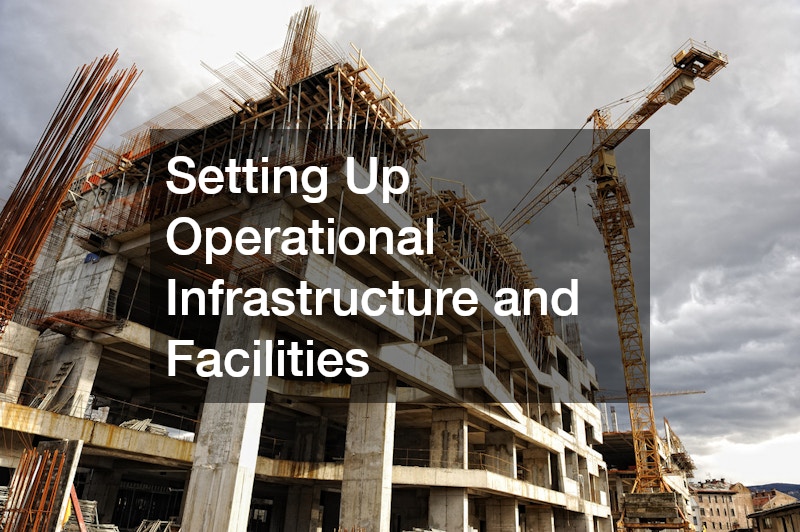
Once the land is secured, attention shifts to constructing robust facility infrastructure and establishing dependable supply channels for raw materials and maintenance items.
Investing in High-Grade Structural Materials
Building production facilities that endure intense operational stress requires superior structural materials. Utilizing heavy-duty industrial cement ensures that factory floors, machinery foundations, and structural pillars can withstand extreme weight loads, thermal fluctuations, and constant vibrational stress. High-integrity concrete formulations prevent early structural degradation, saving millions in long-term facility maintenance.
To maximize structural longevity across your physical facilities, implement the following construction steps:
-
Specify high-density concrete mixes designed specifically for heavy equipment vibration resistance.
-
Incorporate chemical hardeners and protective sealants to shield factory floors from chemical spills and abrasive wear.
-
Install heavy-load reinforced foundations beneath primary stamping presses, furnaces, and heavy machinery areas.
-
Design floor drainage systems that integrate seamlessly with environmental wastewater processing units.
Optimizing Air Quality and Environmental Controls
Maintaining clean air inside large-scale manufacturing facilities protects both delicate equipment and workforce health. Installing a high-efficiency industrial air filter system eliminates airborne particulates, metallic dust, and chemical vapors generated during manufacturing processes. Proper air filtration extends machine lifespan by preventing particulate buildup in sensitive mechanical components while maintaining strict occupational safety standards.
Sourcing Essential Maintenance and Production Supplies
A manufacturing facility cannot operate without a steady supply of daily consumables, safety gear, tools, and replacement components. Establishing reliable contracts with reputable vendors for essential industrial supplies prevents unexpected production downtime caused by minor hardware shortages. Streamlining procurement processes for everyday items ensures your workforce always has the tools required to keep assembly lines running smoothly.
Streamlining Hydraulics, Logistics, and Material Flow
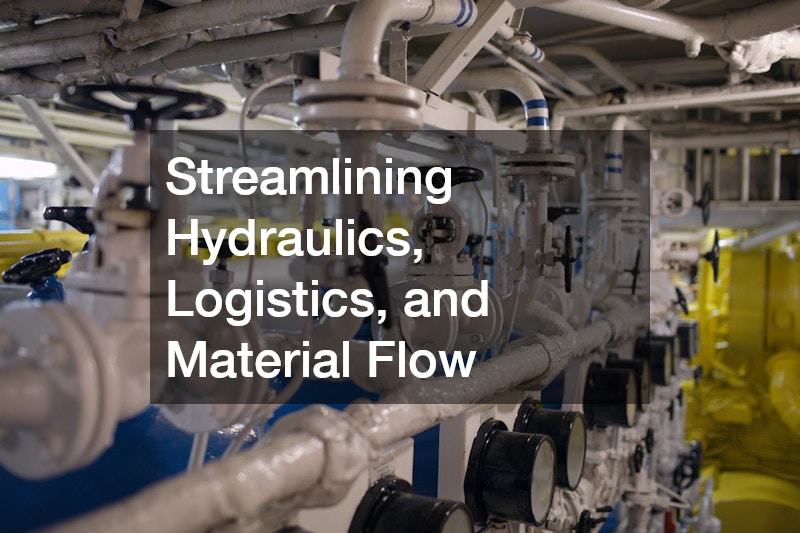
Internal fluid movement and external product distribution represent the lifeblood of industrial production. Systemic failures in logistics or machinery hydraulics can instantly halt entire production networks.
Maintaining Complex Fluid Power Systems
Hydraulic systems, cooling networks, and chemical transfer pipelines drive the mechanical power inside modern production plants. Partnering with professional fluid equipment services ensures that high-pressure pumps, valves, hydraulic lines, and filtration systems are regularly maintained and calibrated. Proactive fluid system management prevents catastrophic pressure drops, fluid contamination, and costly system blowouts.
When managing high-pressure hydraulic and fluid networks, adhere to these operational practices:
-
Conduct scheduled fluid analysis to detect microscopic metal wear particles and fluid contamination early.
-
Replace high-pressure seals, hoses, and valves on strict preventative maintenance intervals rather than waiting for failure.
-
Install automated pressure sensors along critical fluid lines to trigger immediate emergency shut-offs during leaks.
-
Maintain backup pump units in line so operations can instantly switch over during primary pump maintenance.
Standardizing Packaging for Safe Transport
Transporting heavy components or finished products across national and international supply chains demands heavy-duty protective packaging. Utilizing reinforced shipping crates guarantees that machinery, refined metal parts, and delicate components arrive at customer sites undamaged by rough handling or ocean transport. Standardized crate dimensions also optimize cargo space in shipping containers and freight trucks.
Financial Management, Mentorship, and Sustainability
Building an industrial business requires massive capital reserves, continuous financial oversight, and a commitment to sustainable resource management. Industrial success depends on optimizing material waste into profit and drawing upon seasoned industry wisdom.
Leveraging Experienced Operational Guidance
Navigating raw material price swings, labor relations, and massive scaling challenges can overwhelm even seasoned founders. Engaging experienced business coaches who specialize in the industrial and manufacturing sectors provides an invaluable strategic perspective. Seasoned mentors help executive teams refine operational strategies, navigate complex investor negotiations, and avoid costly management mistakes during rapid expansion phases.
To extract maximum value from executive mentorship, structure your advisory relationship around these core objectives:
-
Establish clear operational key performance indicators to track leadership effectiveness and facility productivity.
-
Conduct quarterly strategy sessions to review market positioning, capital expenditure plans, and risk management.
-
Utilize advisory networks to build relationships with institutional investors, major suppliers, and regulatory bodies.
-
Develop robust executive leadership succession plans and talent cultivation strategies within your plant management team.
Capturing Value Through Resource Recovery
Modern industrial empires prioritize circular resource management to lower raw material costs and meet modern environmental expectations. Integrating scrap metal recycling services into your manufacturing framework allows you to monetize production waste, metal shavings, and off-cut materials. Selling metallic waste back into recycling streams creates a steady secondary revenue channel while significantly reducing your facility’s environmental footprint.
Driving Long-Term Innovation and Empire Expansion
Sustaining an industrial enterprise over decades requires constant technological adaptation, process refinement, and strategic expansion into new markets. The industrial giants of tomorrow are those that continually reinvest profits into automation, sustainable technology, and workforce development today.
Automating Core Production Lines
As labor markets shift and global demand accelerates, automation becomes a fundamental requirement for scaling production output. Integrating robotics, automated guided vehicles, and continuous monitoring systems into your factory floor elevates output quality while reducing unit production costs. Automation also frees human workers from hazardous tasks, significantly lowering workplace injury rates and insurance liabilities.
Consider these essential steps when deploying industrial automation technology:
-
Conduct thorough workflow audits to identify repetitive, high-risk assembly processes best suited for robotic automation.
-
Upgrade facility data infrastructure to support real-time sensor networks and automated production tracking.
-
Train existing technical staff to operate, program, and maintain automated systems rather than replacing human talent entirely.
-
Deploy cobots—collaborative robots—alongside human workers to enhance precision and assembly speed safely.
Expanding Global Distribution and Market Reach
Once domestic facility operations achieve profitability and stable production yields, scaling your empire requires strategic international expansion. Establishing regional distribution hubs, forging cross-border logistical alliances, and tailoring product lines to regional industrial standards unlock vast foreign revenue potential. Expanding your geographic footprint also insulates your business against localized economic downturns and regional supply chain disruptions.
Building an industrial operation from a modest startup into a powerful commercial force requires vision, physical infrastructure, operational rigor, and relentless strategic execution. By choosing optimal factory locations, equipping facilities with top-tier materials, maintaining critical fluid systems, and embracing sustainable material recovery, you establish an operational foundation capable of scaling across global markets. Industrial success is measured not by quick digital wins, but by tangible physical output, enduring structural assets, and systems that power global growth for generations.
Scaling Workforce and Capital Allocation
Expanding an industrial venture requires managing human resources alongside large-scale financial management. As production capacity grows, maintaining labor efficiency and capital discipline becomes paramount.
Cultivating a Specialized Industrial Workforce
An automated facility still depends on skilled technicians, safety engineers, and plant managers. Recruiting and retaining specialized industrial talent requires competitive compensation, continuous technical training, and an uncompromising safety culture. Investing in apprenticeship programs with local technical colleges builds a steady talent pipeline tailored to your plant’s specific machinery and operational standards.
Key workforce development strategies include:
-
Designing structured safety training modules that exceed federal OSHA and environmental compliance mandates.
-
Offering tuition reimbursement for operators earning specialized certifications in hydraulics, electrical systems, and robotics.
-
Implementing performance bonuses tied directly to facility safety records, product quality yields, and uptime metrics.
Navigating Regulatory Compliance and Environmental Standards
Operating a large-scale industrial facility requires strict adherence to local, national, and international environmental guidelines. Regulatory frameworks govern emissions, wastewater discharge, hazardous waste disposal, and workplace safety protocols. Establishing an internal compliance team ensures that all operational practices meet or exceed mandatory environmental standards, preventing costly fines, legal delays, and operational shutdowns. Regular internal audits identify potential hazards before regulatory inspections occur, safeguarding both workers and surrounding communities. Prioritizing environmental compliance reinforces corporate credibility and demonstrates responsible community stewardship, paving the way for seamless permits and public goodwill during future facility expansions.
Integrating Supply Chain Resilience and Redundancy
Global industrial operations face unpredictable disruptions, ranging from geopolitical shifts and trade tariffs to natural disasters and transport delays. Building supply chain resilience requires diversifying your vendor base rather than relying on single-source suppliers for critical raw materials or machinery parts. Establishing localized supplier networks alongside international trade partnerships creates operational cushions when global logistics falter. Maintaining strategic buffer inventories of essential components protects assembly lines from sudden material shortages. By continually assessing supply chain risks and fostering strong relationships with primary and secondary vendors, industrial enterprises maintain uninterrupted production during broader market volatility.
Fostering a Culture of Continuous Process Improvement
Sustaining long-term operational excellence demands a company-wide commitment to continuous process optimization. Adopting proven manufacturing frameworks like Lean, Six Sigma, or Total Quality Management empowers shop-floor workers and plant managers to eliminate waste, optimize cycle times, and improve overall product yield. Encouraging employees at every level to suggest micro-adjustments in daily workflows leads to significant cumulative gains in operational efficiency. Regularly analyzing production data highlights bottlenecks and machinery inefficiencies before they lead to costly delays. Embracing a mindset of relentless improvement ensures your physical operations remain agile, cost-competitive, and continuously prepared for market demands.
Industrial growth requires continuous reinvestment in facility upgrades, software systems, and fleet expansions. Maintaining a disciplined capital reserve protects your enterprise during cyclical market downturns and commodity price spikes. Allocating fixed percentages of operating cash flow toward preventative maintenance and tech upgrades ensures your facilities remain globally competitive without relying on emergency debt financing.