

For brick-and-mortar enterprises, physical facilities serve as the tangible extension of a brand’s promise. Long before a customer speaks with a sales representative, tests a product, or evaluates a service proposal, they form immediate, lasting judgments based on the condition of your commercial property. Clean, well-maintained, and visually appealing premises convey competence, attention to detail, and financial stability, whereas neglected exteriors or dysfunctional interiors instantly breed skepticism.
Building an exceptional customer experience requires aligning physical environment strategies with broader operational goals. True facility management extends far beyond basic janitorial duties; it encompasses strategic site preparation, structural integrity, architectural branding, workforce safety, and proactive financial stewardship. Every physical touchpoint—from the smoothness of the entry drive to the clarity of interior wayfinding—directly influences customer satisfaction and brand loyalty.
This comprehensive guide delivers actionable strategies to help business owners, facility managers, and entrepreneurs optimize their commercial spaces. By systematically maintaining your physical footprint, protecting your team, and securing professional legal and financial backing, you can create a commercial facility that drives long-term business growth.
Curb Appeal and First Impressions at the Physical Entryway

The customer journey begins the moment a client turns onto your property or approaches your building entrance. A neglected facade, peeling paint, or weather-worn entryway signals operational neglect and can cause prospective clients to question the quality of your core offerings. Maintaining a pristine exterior demonstrates pride of ownership and establishes an immediate impression of professional excellence.
Partnering with professional exterior painting companies ensures your building facade remains vibrant, weather-resistant, and aligned with your official corporate brand palette. Routine maintenance coatings protect structural materials like masonry, wood, and metal from environmental degradation while ensuring your property stands out positively against surrounding commercial spaces.
Creating welcoming outdoor waiting areas or covered walkways enhances comfort, particularly in regions subject to harsh weather. Working with a commercial canopy company allows you to install durable, architecturally integrated shade structures and rain covers that shield arriving guests, making their transition from the parking lot to your front lobby seamless and comfortable.
To maximize the visual impact of your building entryway, implement these essential maintenance priorities:
- Conduct quarterly exterior inspections to identify chipped paint, wall cracks, water staining, or masonry damage requiring immediate touch-ups.
- Keep exterior architectural lighting clean, fully illuminated, and retrofitted with energy-efficient fixtures to maintain safety and visibility after dark.
- Maintain clean walkways, power-washing concrete entry pads regularly to remove oil stains, gum, dirt, and salt residue.
- Incorporate clean, well-trimmed landscaping elements like raised planters or seasonal greenery to soften structural edges and welcome visitors.
Navigational Clarity and Perimeter Boundary Management
Unclear site navigation creates immediate friction for arriving customers. When visitors struggle to find parking, mistake service entrances for customer lobbies, or navigate confusing site layouts, their experience begins with frustration. Clear wayfinding systems paired with secure, well-defined property boundaries eliminate confusion and instill confidence.
Installing professional Business Signs is one of the most effective ways to establish clear brand presence and guide traffic efficiently across your property. High-visibility dimensional lettering, monument displays, and clear directional signs direct vehicles toward appropriate parking bays and guide foot traffic toward primary entrances while complying with municipal zoning codes.
Securing outdoor staging areas, inventory yards, or customer patio zones requires durable physical barriers that balance safety with aesthetic appeal. Contracting experienced fence companies allows you to install secure perimeter fencing, decorative aluminum borders, or privacy screening that protects valuable assets while maintaining a polished exterior appearance.
Consider these tactical steps to improve navigational clarity and boundary control:
- Audit your site navigation from the perspective of a first-time visitor, ensuring all directional signs are easily readable from secondary roadways.
- Separate commercial delivery zones and waste management areas from primary customer access points using attractive privacy screens or landscaping buffers.
- Mark pedestrian crosswalks, accessible parking spaces, and visitor drop-off zones clearly using bright, weather-resistant traffic paint.
- Ensure all outdoor regulatory and safety signage complies fully with regional accessibility standards and local commercial property ordinances.
Ground Preparation, Access Drives, and Parking Infrastructure
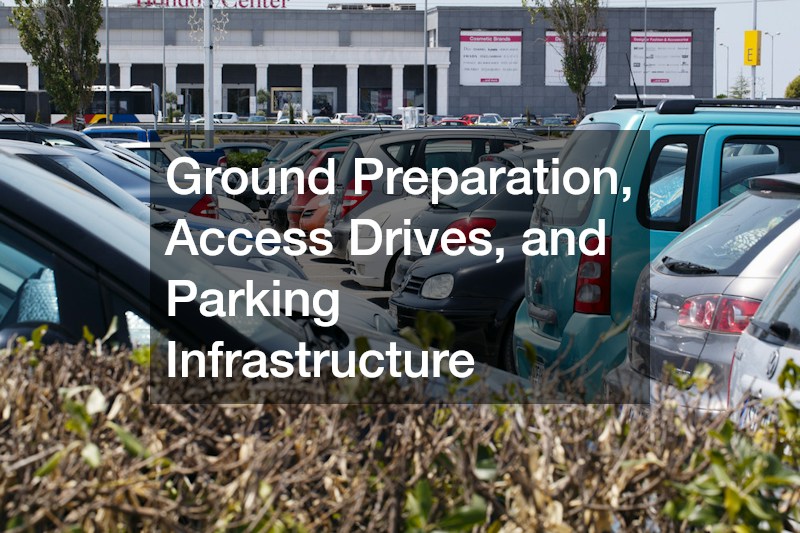
Smooth, stable access drives and well-drained parking lots are fundamental components of commercial property safety and customer convenience. Potholes, standing water, cracked asphalt, and uneven driving surfaces not only damage vehicles but also create severe trip hazards for pedestrians, exposing property owners to substantial liability risks.
Hiring a qualified excavating contractor is essential when expanding parking infrastructure, repairing deep subbase erosion, or installing underground drainage systems. Proper site grading ensures storm water flows away from customer walkways and building foundations, preserving the structural integrity of your asphalt and preventing costly winter freeze-thaw damage.
Maintaining commercial asphalt and concrete requires a combination of routine preventative maintenance and long-term capital planning. Focus on these infrastructure practices to maintain smooth customer access:
- Inspect parking lots annually for subbase settling, alligator cracking, and surface depression, patching damaged zones promptly before water penetrates lower soil layers.
- Apply commercial sealcoating to asphalt surfaces every two to three years to guard against petroleum spills, oxidation, and UV degradation.
- Clear storm drains and catch basins regularly to prevent standing water accumulation during heavy rainfall events.
- Establish dedicated snow removal and de-icing service contracts well in advance of winter weather to ensure uninterrupted business access.
Facility Repairs and On-Demand Property Upgrades
While grand architectural features capture attention, daily customer satisfaction often hinges on small, functional details inside the building. A sticking door handle, a flickering light fixture, a scuffed hallway, or an out-of-order restroom fixture subtly erodes brand credibility and suggests poor operational oversight.
Establishing ongoing service contracts with reliable local handyman services ensures minor building repairs are addressed immediately before they escalate into major customer inconveniences. Having dedicated trade technicians on call allows managers to resolve hardware failures, drywall damage, or minor plumbing issues rapidly without diverting internal staff from core operational duties.
Maintaining comfortable interior climate control year-round requires reliable energy supplies and well-serviced HVAC systems. Setting up automated fuel delivery routines with trusted local oil companies ensures heating systems operate continuously through severe winter weather, maintaining a warm, welcoming indoor environment for staff and visiting clients alike.
To maintain flawless interior functionality, implement the following operational maintenance practices:
- Establish a daily opening checklist for front-of-house staff to verify lighting, door hardware, temperature settings, and restroom cleanliness before opening doors to the public.
- Keep detailed maintenance logs for all major facility appliances, HVAC units, and plumbing systems to track service history and anticipate replacement timelines.
- Stock essential replacement supplies—such as light bulbs, door latches, touch-up paint, and plumbing fittings—on-site for quick repair turnarounds.
- Schedule disruptive maintenance, heavy floor polishing, and major plumbing overhauls during non-business hours to avoid disturbing visiting clients.
Workforce Well-Being and Frontline Service Excellence
A direct connection exists between internal facility quality and external customer service excellence. Employees who work in clean, comfortable, and well-equipped environments report higher job satisfaction, take greater pride in their physical surroundings, and naturally deliver warmer, more attentive service to visiting clients.
Attracting and retaining top-tier customer service professionals requires offering comprehensive compensation packages that include a competitive business health insurance plan. Prioritizing employee health, wellness, and financial peace of mind fosters a dedicated, stable workforce, dramatically reducing employee turnover and ensuring consistent, high-quality service interactions for your customer base.
Designing supportive employee-only zones is just as vital as refining customer lobbies. Consider these workforce-focused facility optimizations:
- Provide clean, ergonomic breakrooms equipped with comfortable seating, kitchen amenities, and quiet zones where staff can genuinely recharge during shifts.
- Maintain well-lit, secure employee parking areas and staff entrances to ensure worker safety during early morning or late-night shift changes.
- Ensure employee workstations feature proper ergonomic seating, adjustable desks, and adequate task lighting to prevent fatigue and repetitive strain injuries.
- Involve frontline staff in facility feedback sessions, encouraging them to report maintenance needs or workflow bottlenecks that hinder daily customer service.
Operational Safety and Workplace Risk Prevention

Creating an exceptional customer experience requires providing an environment where visitors and employees feel completely safe. Physical hazards, poorly lit stairwells, slick floors, or blocked emergency exits pose immediate threats to human safety and expose commercial enterprises to devastating legal claims and financial losses.
Proactive risk prevention begins with conducting routine safety audits across all customer-facing and back-of-house areas. Identifying potential slip, trip, and fall risks allows management to implement corrective actions—such as installing non-slip floor mats near entry doors during rainy weather, repairing loose carpeting, and adding sturdy handrails along raised platforms.
To build a robust physical safety framework within your facility, prioritize the following action items:
- Install clear, illuminated emergency exit signs and keep all egress pathways completely free of boxes, inventory, or temporary equipment.
- Place commercial-grade, moisture-absorbing walk-off mats at every public entrance to capture water and debris before it reaches polished interior flooring.
- Position automated external defibrillators and fully stocked first-aid kits in centralized, clearly marked locations across customer lobbies and staff breakrooms.
- Conduct regular employee safety training covering emergency evacuation procedures, chemical handling safety, and rapid incident reporting protocols.
Proactive Risk Mitigation and Commercial Legal Counsel
Expanding, renovating, or leasing commercial real estate involves complex regulatory compliance, contractual obligations, and potential liability exposures. Navigating these requirements requires specialized legal expertise to safeguard company assets and ensure physical facilities comply with local, state, and federal laws.
Retaining a skilled commercial attorney is critical when negotiating facility leases, drafting construction agreements, or resolving property line disputes. Experienced legal counsel ensures contractor agreements include appropriate indemnification clauses, verifies liability insurance coverage before work commences, and guides property owners through municipal zoning variance applications for site expansions.
Protecting your enterprise against property damage claims and third-party liabilities requires executing these legal and administrative steps:
- Review all commercial vendor contracts with legal counsel to ensure clear performance expectations, warranty protections, and dispute resolution mechanisms.
- Verify that all third-party maintenance contractors carry active general liability and workers’ compensation policies before allowing them onto your premises.
- Maintain complete digital archives of facility inspection logs, maintenance contracts, building permits, and occupancy certificates for audit and legal protection purposes.
- Conduct annual reviews of property liability insurance policies with your legal advisor and insurance broker to adjust coverage limits as foot traffic and property values grow.
Strategic Capital Allocation and Facility Expense Accounting

Maintaining a pristine commercial facility requires continuous financial investment. Without structured budgeting and disciplined capital allocation, facility managers risk falling into a reactive cycle—overspending on urgent emergency repairs while neglecting long-term structural maintenance that preserves property value.
Working closely with certified local accountants allows business owners to establish realistic facility maintenance budgets, model long-term capital replacement reserves, and track operating overhead accurately. Financial professionals help structure depreciation schedules for major building improvements, identify eligible tax deductions for energy efficiency retrofits, and maintain healthy operating margins.
To optimize capital allocation and facility accounting practices, incorporate these financial strategies:
- Establish a dedicated capital reserve fund, setting aside a set percentage of monthly revenue to fund future roof replacements, HVAC overhauls, and parking lot repaving.
- Compare competitive bids from multiple vetted trade vendors for all major renovation projects to ensure fair market pricing without sacrificing quality.
- Track building utility consumption patterns monthly to identify sudden energy leaks, plumbing losses, or equipment inefficiencies early.
- Audit recurring facility service contracts annually—including waste management, landscaping, janitorial, and security services—to re-negotiate terms and eliminate unnecessary service line costs.
Building a Sustainable Strategy for Commercial Facility Dominance
Creating an exceptional customer experience through your physical premises is not a one-time project; it is an ongoing operational commitment. The most successful commercial enterprises treat facility management as a core strategic discipline, continually refining physical spaces to meet evolving customer expectations, technological advancements, and environmental standards.
Systematic maintenance schedules, strong vendor relationships, and disciplined financial planning ensure your physical premises remain a powerful asset that supports sales conversion, brand trust, and operational efficiency. By investing in exterior curb appeal, functional interior environments, workforce safety, and expert legal and financial support, you establish a physical footprint built for long-term market leadership.
A well-maintained commercial facility communicates quality, reliability, and respect for everyone who steps through your doors. By executing the actionable strategies outlined in this guide, you can transform your physical location into a competitive advantage that elevates your brand and drives sustained business growth.